All Life Breathes
From Worms to Trees to Animals—Breath Connects All Living Things
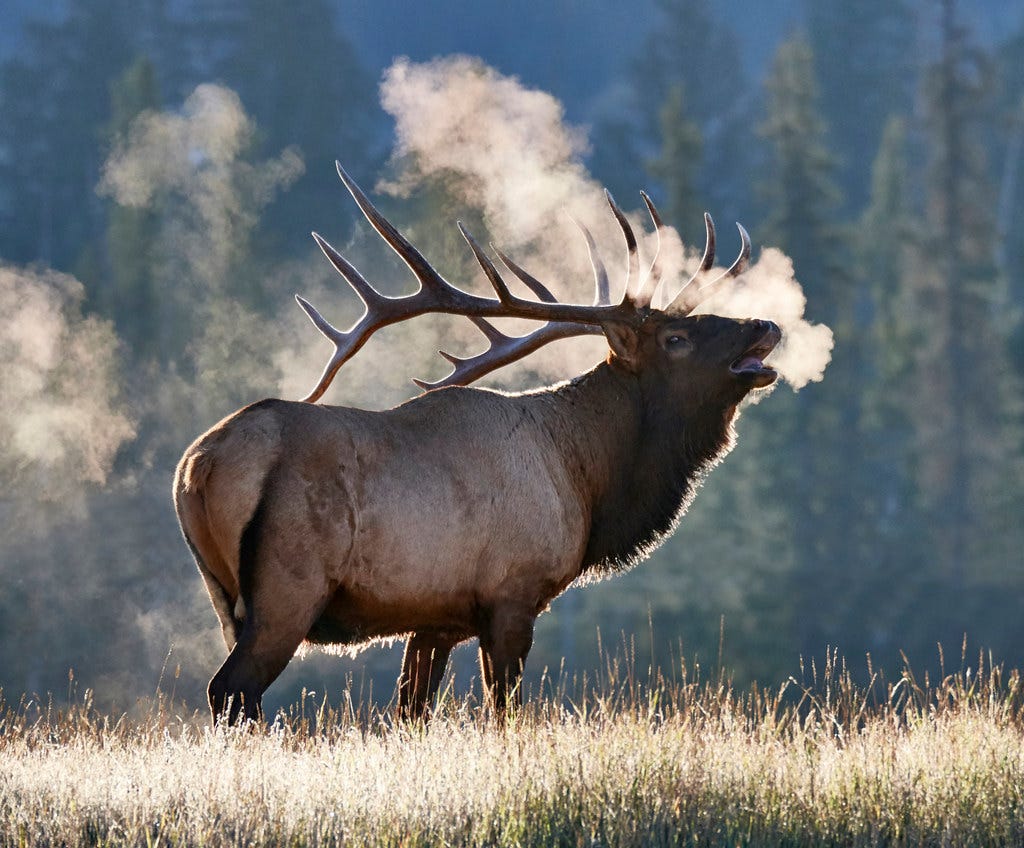
Breath.
It is the first sign of life—and the last.
I rarely think about it. Yet with every inhale, every exhale, I am sustained. What is this breath that holds me? How far does it reach? What does it reveal about the order and design in Creation?
Sometimes I pause and consider the simple act of breathing—this rhythm I barely notice, yet cannot live without. Every living creature—animal, bird, insect, or fish—is made to breathe, each in its own way.
I inhale oxygen through lungs designed to receive it. In other creatures, it may be gills, spiracles, or even skin. However it enters, that oxygen flows into the body and reaches every cell. It powers life.
But what astonishes me most is this: breath is not a solitary act. I’m not breathing alone. Each time I breathe in, I take in what the trees and plants have given. Each time I breathe out, I return what they need. Carbon dioxide for oxygen, oxygen for carbon dioxide—an invisible exchange happening constantly, in every living thing.
When I picture this shared rhythm—how all creatures breathe in and breathe out, giving and receiving—I feel the mystery of life pressing close, that sense of awe I’ve come to cherish.
And this unseen exchange is one of the earliest signs of life. A newborn cries. A chick peeps. A seedling lifts green arms to the sun. Breath is life’s signature—one of the most intimate marks of being alive, and of being known.
This is true not only in creatures but in the quiet life of plants.
Pine trees exchange gases with the atmosphere—taking in carbon dioxide, releasing oxygen, preventing erosion, sheltering wildlife, purifying air and water. Even Azolla—the world’s tiniest fern—breathes. In prehistory, it formed vast floating rafts across the Arctic, drawing carbon from the air and storing it in the ocean floor, helping to cool the earth and prepare it for life.
Breath is the story of creation itself.
Then the Lord God formed man of dust from the ground, and breathed into his nostrils the breath of life; and the man became a living soul.
(Genesis 2:7)
This verse captures the moment breath enters our story—God’s own breath animating humanity.
Every animal breathes—frogs, birds, whales, foxes. They draw in oxygen and release carbon dioxide, each with its own unique design: through lungs, gills, skin, or spiracles. Even tiny insects—butterflies and beetles—carry a network of tracheae to carry air to their cells.
But it doesn’t stop there.
Trees breathe.
A forest breathes. Trees take in carbon dioxide and release oxygen—a vast, quiet exchange that nourishes the world. During the day, they exhale what we need. At night, they respire as we do.
Leaves flutter like lungs in the wind. Roots draw in air through the soil. The entire canopy rises and falls with the seasons, like a great chest inhaling and exhaling over the course of a year.
Even soil breathes.
Underfoot, the living ground exhales. Worms, fungi, and microbes transform what’s buried into breath. Air moves between soil particles. When the earth is healthy, it is alive with oxygen and the movement of gases—tiny, invisible respiration rising into roots and reaching the noses of foxes.
And what of stones?
Stones do not breathe. Yet many hold the memory of breath, of life.
Limestone is created from the pressed remains of ancient seashells.
Coal, once forest, is now compacted into dense matter that gives a burning light.
Even the smoothest stone may carry the trace of plankton, leaf, or limb—life transformed by time and pressure, now solid beneath our feet.
All Creation Breathes
And then it strikes me: I live in a world that breathes with me. My breathing is part of a vast, rhythmic song. I inhale what the trees have exhaled. I exhale what they are waiting to receive. It is not just function—it is relationship. And once I see it, I can’t unsee it—this invisible connection that binds me to everything living.
Sometimes I wonder if I go too far in these reflections—but the truth is, we rarely go far enough. The beauty, the intricacy, the wonder of it all—it’s mind-bending, heart-stirring, almost too much to hold. And yet, it’s all right here, waiting to be noticed.
And here’s the humbling part: The oxygen in our lungs might have passed through the leaf of a maple, the gill of a fish, or the lungs of another child laughing on the other side of the world.
Even the breath of the deer on the hill, the bear in its cave, the whale surfacing for air—each is a quiet yes to life. A participation in being.
So when we notice the rising chest of a sleeping child, the slow open and close of a fish’s gills, or even the moist, undulating movement of a worm, we are witnessing something shared—something holy.
Each breath, however small, is part of the greater breath of the world. And in every breath, He is still near.
Try This With Your Children
Go outside today and listen for breath.
Listen to a tree. Trees don’t breathe like we do, but they take in carbon dioxide through tiny pores in their leaves and release oxygen back into the air. The wind helps this process by moving air around the leaves, bringing in fresh carbon dioxide and carrying away what the tree no longer needs.
Watch an animal—your cat, a bird, a deer in the distance. Can you see it breathing?
Turn over a patch of soil. Are there worms or beetles there? What do you think they need to breathe?
Put your hand on your chest, and then your child’s. Feel the rise and fall. Say together: “Thank you, God, for breath.”
Breath is everywhere—received, shared, and offered back in praise.
Grateful for every breath,
Sheila Carroll
Living Books Press
P. S. More about Breath
Read other Nature Study Notes where I write about breath and breathing?
From the breath of a bird in subzero weather to worms who breathe through their skin, each living thing is living because it breathes.
The pine trees inhale oxygen and exhale carbon dioxide preventing erosion, sheltering wildlife, and purifying air and water.
Azolla—the world’s tiniest fern—breathes, too. In a forgotten age, it formed vast floating rafts across the Arctic These mats of green helped cool the earth and prepared it for life.
This is the Lord’s doing; it is marvelous in our eyes.
— Psalm 118:23
Thank you for this lovely post! I’m sure I’ll be thinking about it all week!
Even the waves at the beach seem to reflect inhaling and exhaling in their own fashion.
Beautiful! Glory to God!
I so enjoy your posts, Sheila!!