In the Eagle’s Nest
Once nearly lost, now restored—the Bald Eagle is a symbol of restoration and a reminder of our shared responsibility
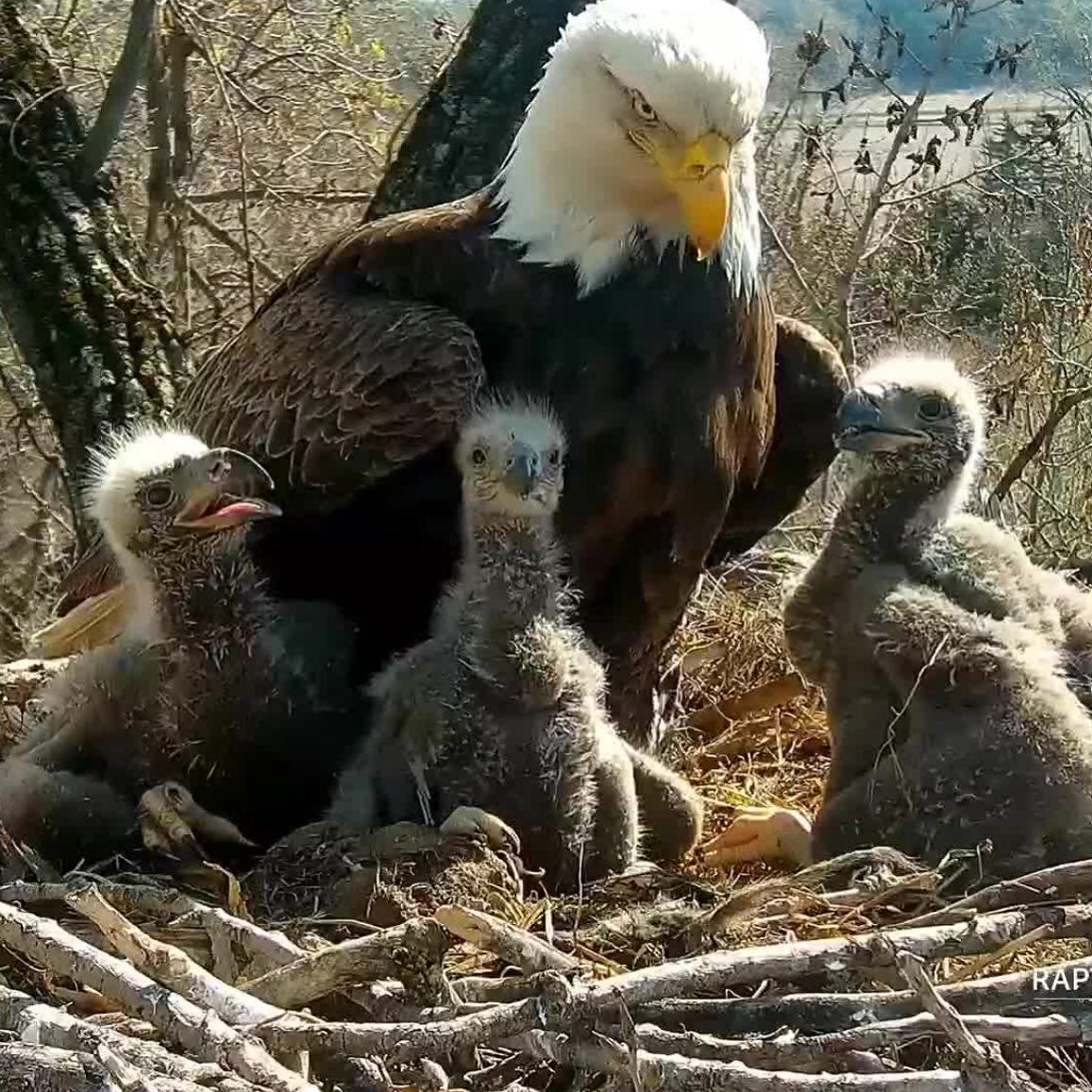
Lately I have been noticing stories of restoration—of healing what was nearly lost. Gray wolves roaming the Rockies once more. Whooping cranes, their numbers rising from a flock of only fifteen. Sandhill cranes trumpeting across the prairies. Sea turtles returning to sandy shores to lay their eggs. The recovery of these endangered species—and the slow mending of their habitats—reminds us that the story of creation is not only one of loss, but also of resilience, renewal, and return.
At the center of these recoveries stands the American Bald Eagle. Few creatures live so deeply in the American imagination. Its near disappearance felt like a wound to the nation itself. And its return—a soaring, radiant return—shows what is possible when courage, care, and persistence come together.
One of the most stirring sights in the sky is the American Bald Eagle. With wings stretched wide—seven feet from tip to tip—it soars with effortless majesty. That span, greater than the height of most men, carries it high above lakes and rivers, where it watches for fish flashing beneath the surface.
And yet, only a few generations ago, this bird of awe and strength nearly vanished. By the 1960s, widespread use of the pesticide DDT had thinned its eggshells so badly that many broke before chicks could hatch. In some states, not a single nesting pair remained. To many, it seemed the eagle was doomed.
The Eagle Returns
As a teenager, I mourned the loss of the eagle. Each rare sighting felt less like a promise of hope and more like a reminder of what was slipping away. Then came a turning point—one woman dared to speak.
Rachel Carson, an American marine biologist, writer, and conservationist, published Silent Spring (1962), warning that chemicals like DDT were poisoning land, water, and the creatures that lived there. She described spring mornings falling silent—birds gone from our orchards and fields.
Among the species most deeply affected were the eagles themselves.
DDT did not kill the eagles outright. Instead, it settled into the fish they ate and slowly built up in their bodies. The poison worked its way into the very shells of their eggs, thinning them so severely that many cracked beneath the weight of the mother herself before the chicks could hatch. Strong wings were lost before they ever unfolded.
For her courage, Carson was mocked and maligned. She was called “hysterical” and “anti-progress,” accused of trying to drag the nation backward. Yet her clear-eyed witness to truth could not be silenced. Slowly, the evidence she presented became undeniable. The public listened. Laws changed. DDT was banned in 1972.
Because she spoke, the eagle returned—its nests rebuilt, its chicks hatched, its piercing cry heard once again in the sky.
But they that wait upon the Lord shall renew their strength; they shall mount up with wings as eagles.—Isaiah 40:31
The Immense Nest
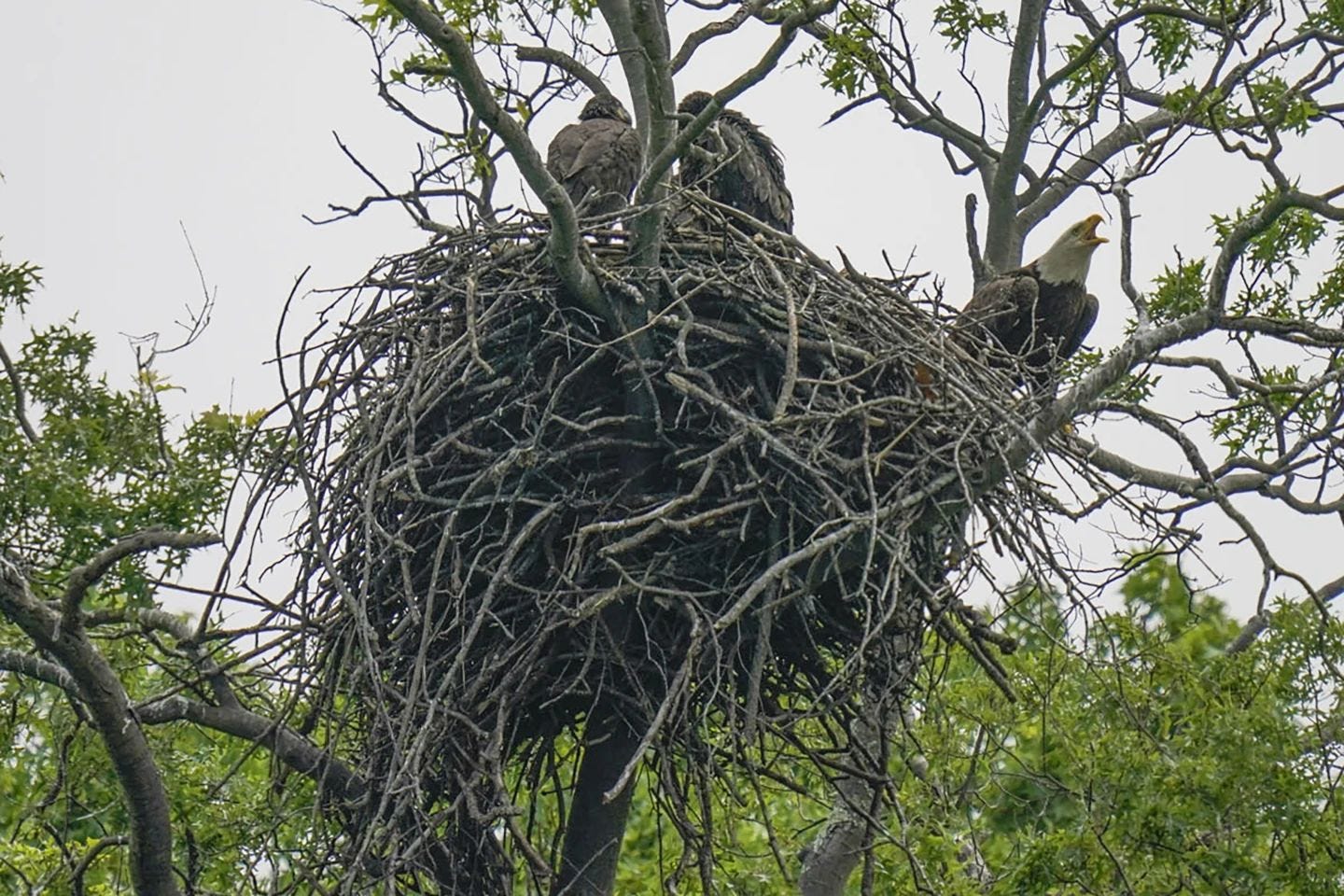
If you ever come across a Bald Eagle nest, you will know it at once. These structures are among the largest—sometimes over eight feet across, weighing more than a ton. Year after year, a nesting pair return\ to the same site, adding new sticks until the tree under it bows beneath the weight.
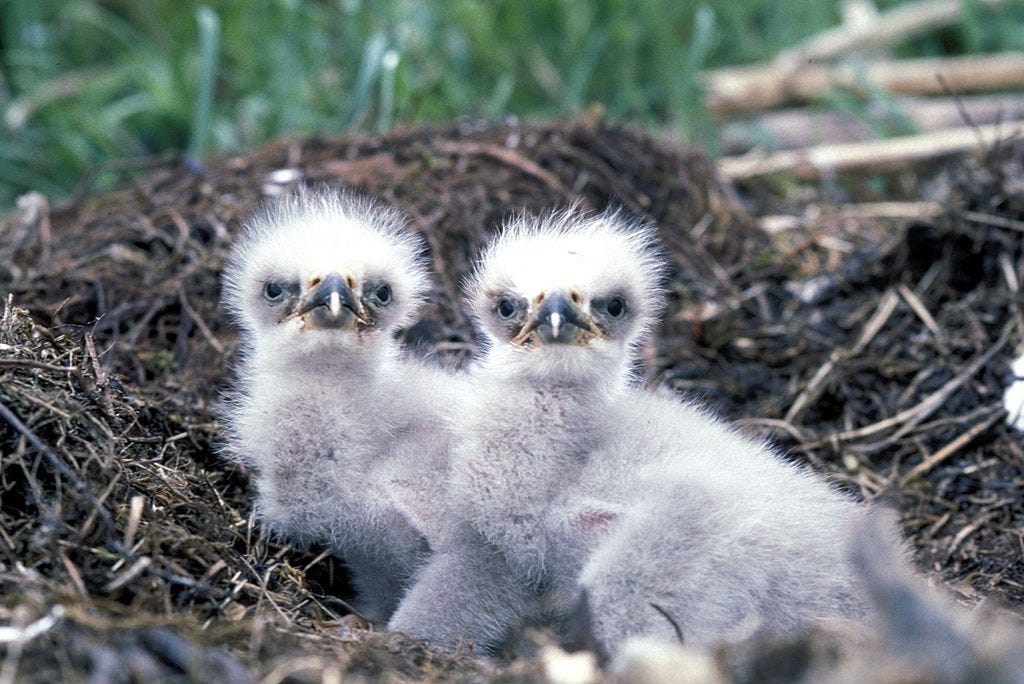
Inside the nest, the parents line it with soft grasses and down plucked from their own breasts, creating a warm cradle for the tiny chicks. Within their formidable home, downy eaglets grow, at first helpless and blind, then stretching and flapping their wings akwardly.
Eaglets are fed 1-8 times a day. The parents carry prey to the nest to feed their young. They feed their chicks by tearing off pieces of food and holding them to the beaks of the eagle
And when that time comes, the nest itself begins to change. The mother pulls away the soft lining, shifts sticks, and even leaves food just beyond the edge. What once was a shelter becomes a place of urging. The eaglets, restless and uncomfortable, are called to the sky. What feels like loss of comfort is, in truth, a gift: the invitation to spread their wings and discover the heights for which they were made.
Lesser-Known Facts
Bald Eagles aren’t truly bald. The name comes from an old word meaning “white-headed.”
Though powerful hunters, they are also opportunists, stealing fish from ospreys or scavenging when they can.
In flight, they can reach speeds of 40 miles per hour and dive even faster, claws outstretched like golden hooks.
A pair mates for life, and their bond is renewed each year through dramatic aerial displays—circling, locking talons, and spiraling toward earth before releasing.displays—circling, locking talons, and spiraling toward earth before releasing.
The Story of a Symbol
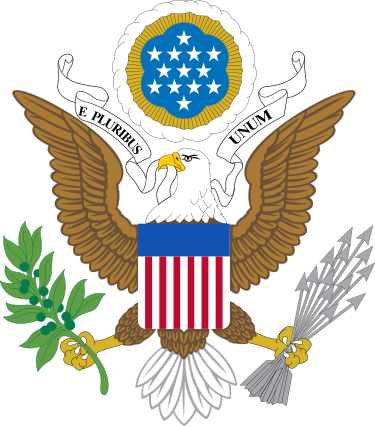
The Bald Eagle was officially recognized as America’s national bird in 1782, when it appeared on the Great Seal of the United States. Even then, the choice was debated. Benjamin Franklin preferred the turkey, arguing it was more “respectable” and less prone to stealing food. The eagle stirred the soul to see it and carried an image of strength and vision, soaring above the land with wings outstretched.
And so it became a symbol—not only of a nation, but of the wild freedom woven into the story of the American landscape. That symbol nearly perished in our lifetime. Its survival is a reminder that what we honor, we must also protect.
The Eagle Has Landed
The phrase became legendary on July 20, 1969, when astronaut Neil Armstrong announced the Apollo 11 lunar module’s touchdown on the Moon:
“Houston, Tranquility Base here. The Eagle has landed.”
Since then, it has entered our conversations to mark a successful arrival or the completion of a daring objective.
More Wonder to Share With Your Children
Color the Eagle
Download and print this American bald eagle coloring page. Let your children color the eagle as they see it—majestic in brown and white, or perhaps painted in their own creative colors.Watch an Eagle Family Live
Visit the Raptor Resource Project to choose from four live eagle cams. You and your children can watch adults tending the nest, feeding eaglets, and even teaching fledglings to fly—an extraordinary glimpse into their hidden world.Look Up Together
On your next walk near a river, lake, or open field, bring binoculars and scan the sky. Even if you don’t see an eagle, let your children imagine spotting those seven-foot wings. Talk together about how close we came to losing them—and what it means that they soar above us still.
Did You Enjoy This Story?
If the eagle’s return stirred your sense of wonder, you might enjoy going further—upward into the heavens themselves. My LBC Guide to Astronomy offers parents and children a way to explore the stars, sun and moon and great astronomers together with living books, simple observations, and activities. It has been one of our best selling subject guides over the years.
✨ Explore the Guide to Astronomy here »
With deep appreciation for the ways you cherish the natural world—and guide your children to do the same.
Sheila Carroll
Living Books Press
I love this. Bald eagles are my favorite animal, and we’re fortunate to live in the Northwoods of Wisconsin, where eagle sightings are common. Just a couple days ago, my kids and enjoyed watching one fly just over our heads as we swam in a local lake. I often say that, no matter how many times I see one, it never gets old. Whether it’s soaring so high it’s barely a speck against a blue sky, or diving into the lake just yards away, it’s always worth pointing out. (And we saw that talon-locking mating ritual in person when I was a child… an absolutely unforgettable experience!)
We watched the Eagle couple, Jackie and Shadow, religiously on YouTube from January to May as they successfully had two eaglets in a beautiful nest looking out over Big Bear Lake in CA. The grandkids and I really learned a lot and enjoyed observing these magnificent birds so much! 🦅